NYC PIGEON AIR CONDITIONER
Window AC Installation, ductless mini split ac installation & repair
We serve in New Jercey and New York

Do you need a certificate of insurance? if so click button.
Understanding the NYSERDA Program: New York City Clean Heating
In the heart of New York State, where winters can be brutally cold and summers sweltering, the push for sustainable energy solutions has never been more urgent. As climate change accelerates, New Yorkers are increasingly turning to innovative technologies to reduce their carbon footprint while keeping their homes comfortable and affordable. Enter the New York State Energy Research and Development Authority (NYSERDA), a key player in this transformation. NYSERDA is a public benefit corporation dedicated to advancing clean energy initiatives, fostering innovation, and helping residents and businesses transition to a greener future. For New Yorkers, particularly those in bustling urban areas like New York City, NYSERDA’s programs offer tangible benefits, including financial incentives for adopting energy-efficient heating and cooling systems.At the forefront of these efforts is the NYS Clean Heat program, also known as the Heat Pump Program.

This initiative is designed to encourage the installation of heat pumps—versatile systems that provide both heating and cooling by transferring heat rather than generating it through combustion. By promoting the shift from fossil fuel-based systems like oil or gas furnaces to electric heat pumps, the program aligns with New York’s ambitious climate goals under the Climate Leadership and Community Protection Act (CLCPA). The CLCPA mandates a 40% reduction in greenhouse gas emissions by 2030 and 85% by 2050, with heat pumps playing a pivotal role in decarbonizing buildings, which account for a significant portion of the state’s emissions. For everyday New Yorkers, this means lower energy bills, improved indoor air quality, and a more resilient home against extreme weather.The NYS Clean Heat program has evolved since its inception, with updates ensuring it remains effective and accessible.
As of January 2026, the program has been extended through 2030, with a focus on residential properties of one to four units. This shift prioritizes smaller homes and apartments, making it particularly relevant for NYC residents where multifamily buildings dominate the landscape. Larger multifamily and commercial buildings may still access limited incentives or separate programs, but the core emphasis is on widespread adoption in everyday households. NYSERDA partners with utilities like Con Edison in NYC to administer the program, ensuring seamless integration with local energy infrastructure.
The Mechanics of Heat Pumps: Why They Matter for New Yorkers
Before diving into the program’s specifics, it’s worth understanding what heat pumps are and why they’re a game-changer for New Yorkers. Unlike traditional HVAC systems that burn fuel to create heat, heat pumps use electricity to move heat from one place to another. In winter, they extract heat from the outdoor air (even in sub-zero temperatures) and bring it inside; in summer, they reverse the process to cool your space. This efficiency can slash heating costs by up to 50% compared to oil or propane systems, and they produce no on-site emissions, contributing to cleaner air in densely populated areas like NYC. New York State’s variable climate—from frigid Adirondack winters to humid Hudson Valley summers—makes heat pumps an ideal fit.
Modern “cold climate” models operate effectively down to -15°F or lower, dispelling the myth that they’re only suitable for mild regions. For urban dwellers, options like window-mounted or ductless mini-split systems are especially appealing, as they require minimal space and no major renovations. This is crucial in NYC, where many apartments lack central ductwork or have historic building constraints.The environmental impact is profound. By electrifying heating, New Yorkers help reduce reliance on fossil fuels, supporting the state’s goal of 70% renewable electricity by 2030. Additionally, heat pumps improve health outcomes by eliminating combustion byproducts like carbon monoxide and nitrogen oxides, which can exacerbate respiratory issues in polluted urban environments.

Incentive Structures: Making Heat Pumps Affordable
The heart of the NYS Clean Heat program lies in its generous incentives, which offset the upfront costs of installation. These rebates are funded through utility ratepayer contributions and are designed to make the switch economically viable. As of 2026, incentives are available for air-source heat pumps (ASHP), ground-source heat pumps (GSHP, also known as geothermal), and heat pump water heaters (HPWH). The amounts vary by utility, system type, building size, and whether the installation fully displaces an existing fossil fuel system. For NYC residents served by Con Edison, the incentives are tailored to urban needs, with higher rebates for full-load installations that remove or disable old systems. Here’s a breakdown:
- Air-Source Heat Pumps (ASHP): These are the most common, including ductless mini-splits and window units. For a full-load installation with integrated controls (Category 2a), single-family homes get $2,500, while apartments receive $1,000. If the installation includes decommissioning the fossil fuel system (Category 2b), incentives jump to $8,000 for single-family and $4,000 for apartments. Partial-to-full displacements (Category 4) offer $4,000 for single-family and $1,500 for apartments.
- Ground-Source Heat Pumps (GSHP): More efficient but costlier due to ground loops, these are ideal for properties with yard space. For full-load whole-building installations (Category 3), incentives can reach $30,000 for single-family and $40,000 for apartments in certain cases.
- Heat Pump Water Heaters (HPWH): For efficient hot water, incentives are $1,000 per unit through retail or midstream channels, with $50 splits for distributors and installers.
Enhanced incentives apply in Disadvantaged Communities (DACs), identified via state mapping tools. For example, in Con Ed territory, DAC residents can get up to $10,000 for single-family ASHP with decommissioning and $5,000 for apartments. Caps are set at 70% of total project costs (85% in DACs), ensuring rebates don’t exceed reasonable limits. A new “Weatherized Tier” introduces higher incentives for homes that meet energy envelope standards, such as low air leakage or recent weatherization through programs like EmPower+. This tier, effective no later than March 2026, rewards efficient buildings to minimize grid strain. Statewide, utilities have allocated significant budgets—Con Ed alone has over $184 million for 2026-2030—to support thousands of installations.These incentives stack with federal benefits, like the Inflation Reduction Act’s up to $2,000 tax credit for qualified heat pumps and $8,000 rebates for low-income households through the Home Electrification and Appliance Rebates (HEAR) program.
Eligibility and Application: Who Qualifies and How to Get StartedEligibility for the NYS Clean Heat program is straightforward but targeted. As of 2026, it’s primarily for existing one- to four-unit residential buildings or individual apartments in larger structures. Homes must be served by a participating utility (like Con Ed in NYC) and have an active electric account contributing to the System Benefits Charge (SBC). New construction qualifies only for GSHP or HPWH, not ASHP space heating. Key requirements include:
- System Sizing and Standards: Heat pumps must cover 100% of the building’s heating load (BHL) at design conditions, calculated via ACCA Manual J. Equipment must meet NEEP cold-climate specs for ASHP, ENERGY STAR for GSHP/HPWH, and be installed per codes.
- Decommissioning: For full incentives, old fossil fuel systems must be removed or disabled, documented by a licensed professional.
- DAC Status: Check your address on the state’s DAC mapper for enhanced rebates.
- No Prior Full Incentives: Units previously fully incentivized are ineligible, but partial-load can upgrade.
- Capacities: Cooling up to 9,010 BTU/hr at 95°F, heating 9,000 BTU/hr at 47°F, maintaining 5,050 BTU/hr even at -13°F.
- Efficiency: SEER2 of 18.76 for cooling, HSPF2 of 10.12 for heating, with COPs ranging from 4.0 at 47°F to 1.41 at -13°F—translating to significant energy savings.
- Features: Inverter technology for quiet operation (as low as 29 dB(A)), R-32 refrigerant for lower environmental impact, and no drain required. It plugs into a standard 15A-120V outlet, weighs 130 lbs, and offers Wi-Fi or BACnet connectivity for smart control.

This model excels in NYC’s urban environment, providing year-round comfort without ductwork. It’s eligible for NYS Clean Heat incentives as a cold-climate ASHP, potentially qualifying for up to $5,000 in DAC apartments with decommissioning. Users report reduced bills and improved air quality, making it a smart choice for studios or living rooms.For larger spaces or whole-home solutions, consider Midea’s ductless mini-split systems. These wall-mounted units offer zoned control, with single-zone models boasting up to 27.5 SEER2 and 14.8 HSPF2 for premium efficiency. Multi-zone options allow independent temperature settings per room, ideal for townhouses or multifamily units. They operate quietly and efficiently down to low temperatures, and like the window model, they’re eligible for Clean Heat rebates. Midea’s involvement in programs like Clean Heat for All—supplying 20,000 units for public housing—underscores their reliability in New York. Both options are ENERGY STAR-rated where applicable, ensuring they meet program standards. By choosing Midea, you’re investing in proven technology from the world’s top air treatment brand, backed by warranties and local support.Real-World Benefits and Success StoriesAdopting a heat pump through NYSERDA isn’t just about rebates—it’s about long-term savings and sustainability. A typical NYC household might save $500-1,000 annually on energy bills, with payback periods under 5 years after incentives. In DACs, where energy burdens are higher, enhanced rebates make the transition equitable.Take a hypothetical Brooklyn apartment: Installing a Midea MAH09H1AGR could cost $2,000-3,000 after a $4,000 rebate, replacing an inefficient window AC and space heater. The result? Consistent comfort, lower emissions, and eligibility for federal credits.Statewide, the program has already installed thousands of systems, reducing emissions equivalent to removing cars from the road. As budgets for 2026-2030 total hundreds of millions, now is the time to act before funds dwindle. Potential Challenges and Tips for SuccessWhile the program is user-friendly, challenges exist. High upfront costs (before rebates) can deter some, but financing options through utilities or Green Jobs-Green NY help. In NYC, building codes and landlord approvals add steps—consult your contractor early.Tips:
- Get multiple quotes from participating contractors.
- Verify DAC status for max rebates.
- Combine with weatherization for Weatherized Tier perks.
- Monitor utility funding trackers.
If you are interested in a mini split air conditioner installation fill out quote form
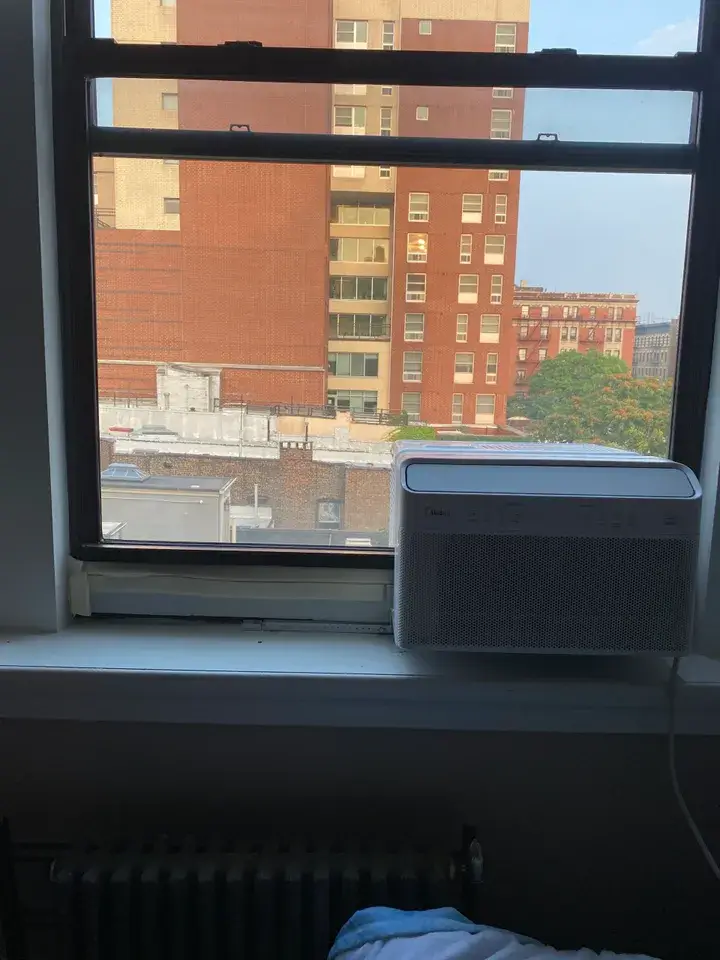
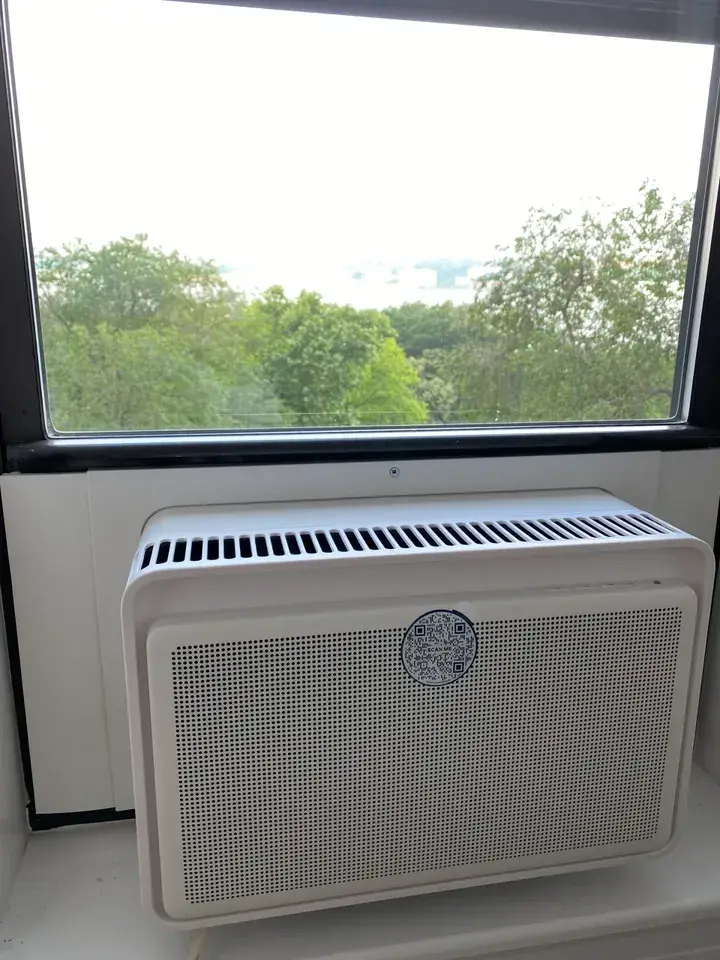
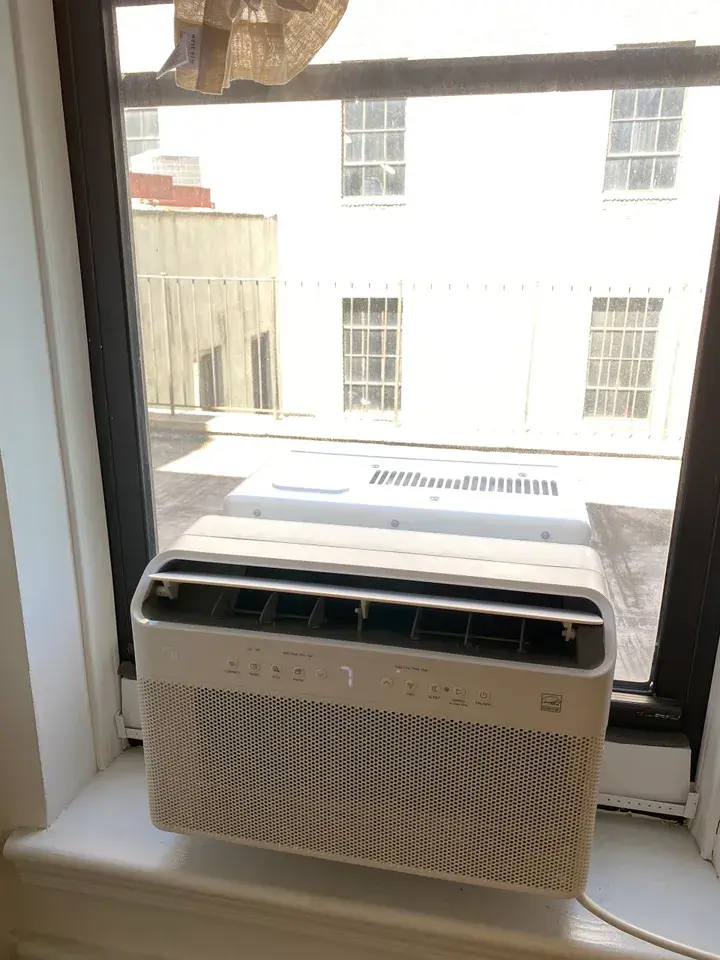
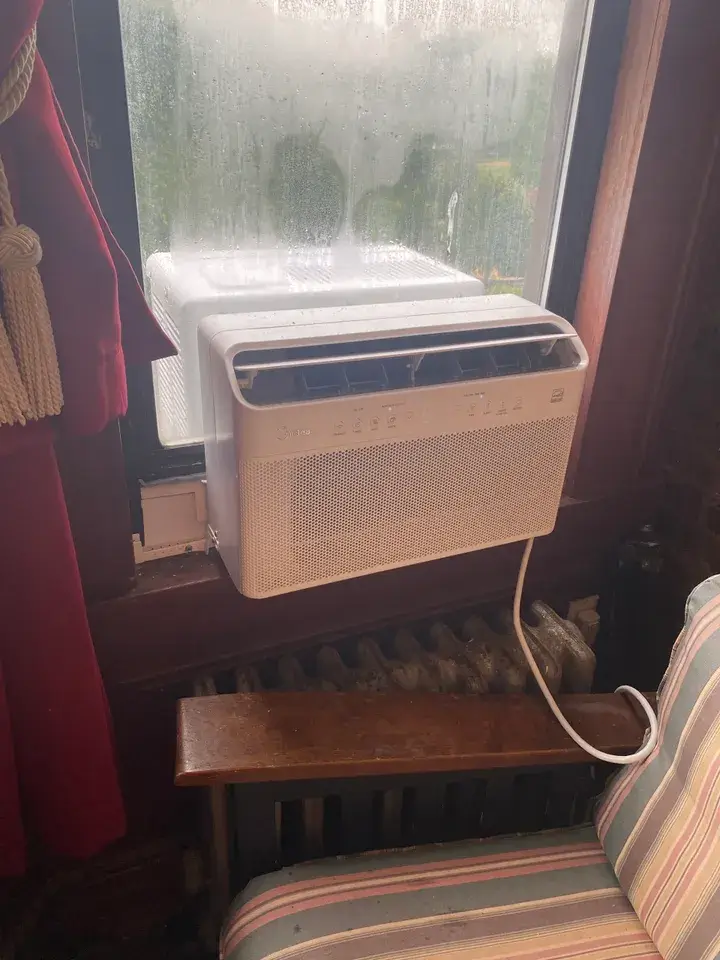
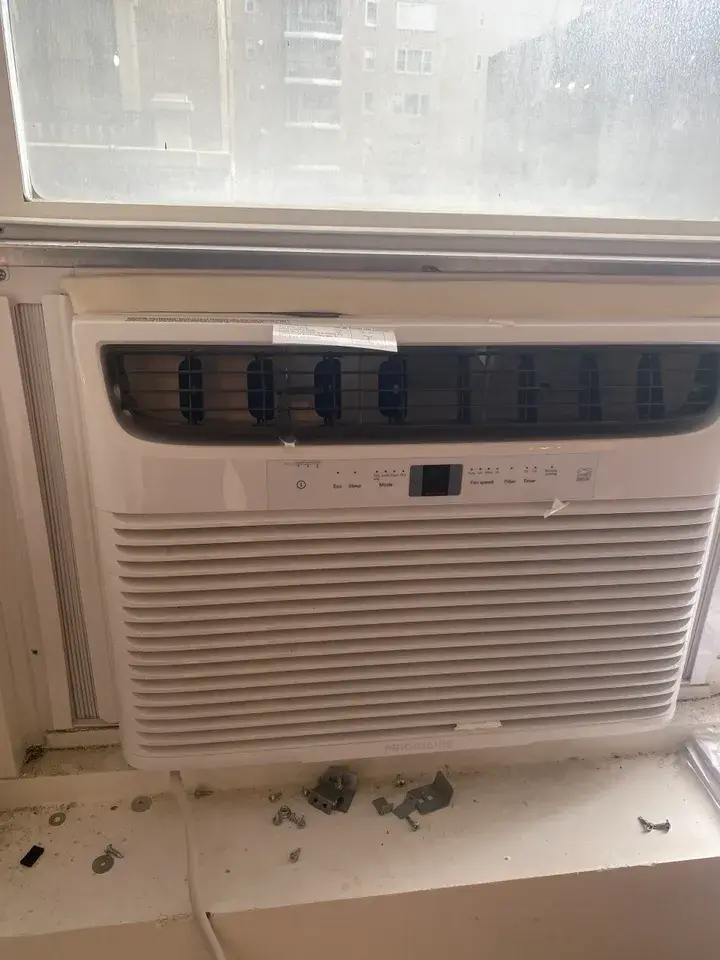
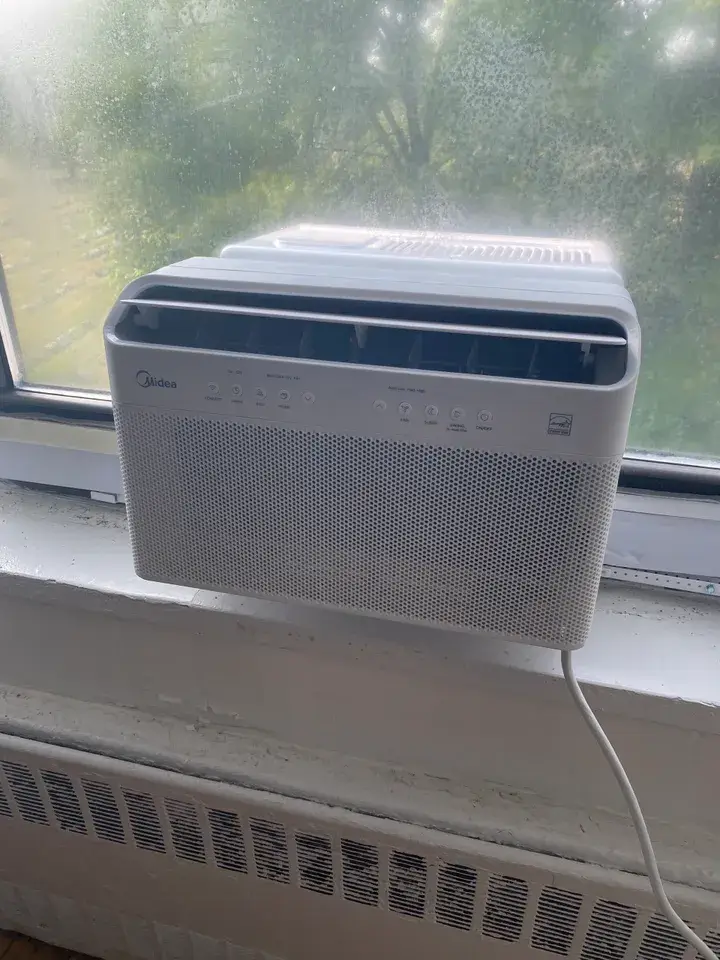
Our New York City Window Air conditioner installations and Ductless mini split air conditioner installations
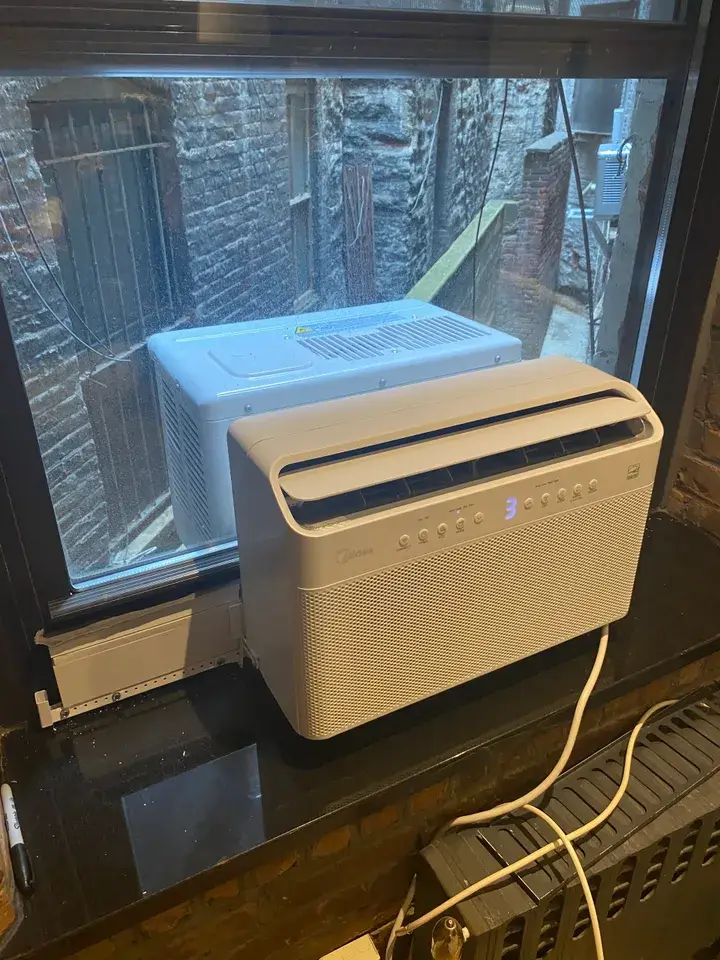
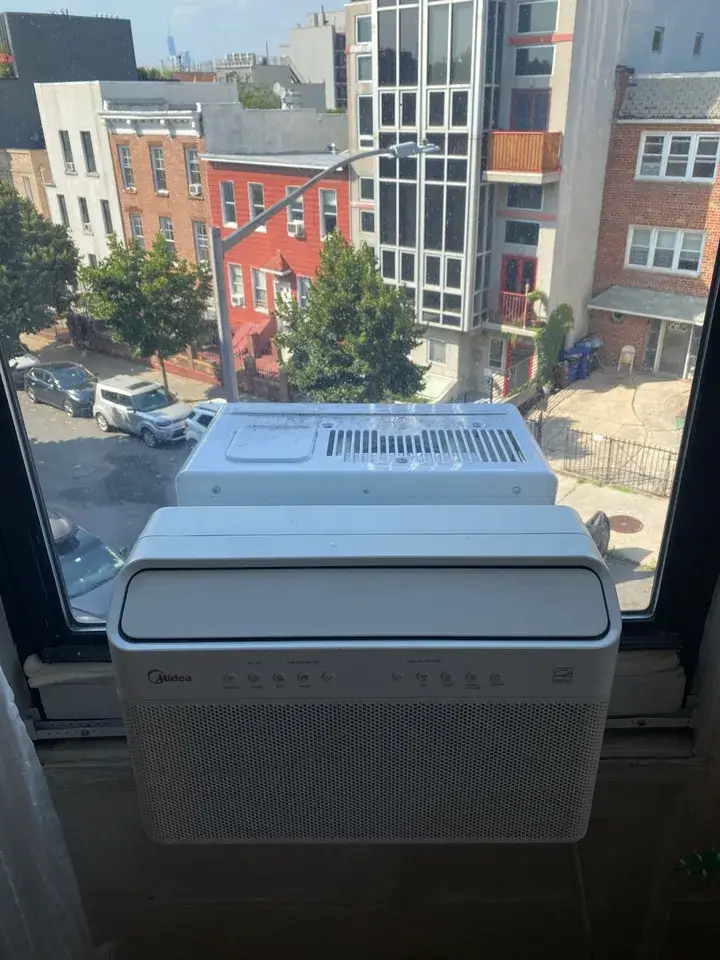
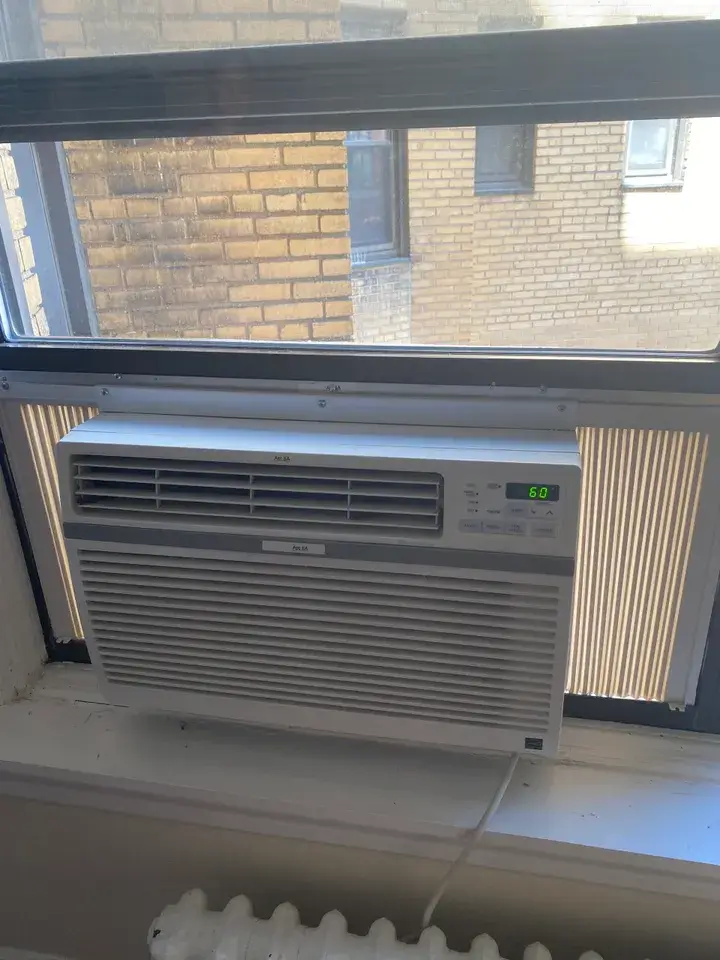
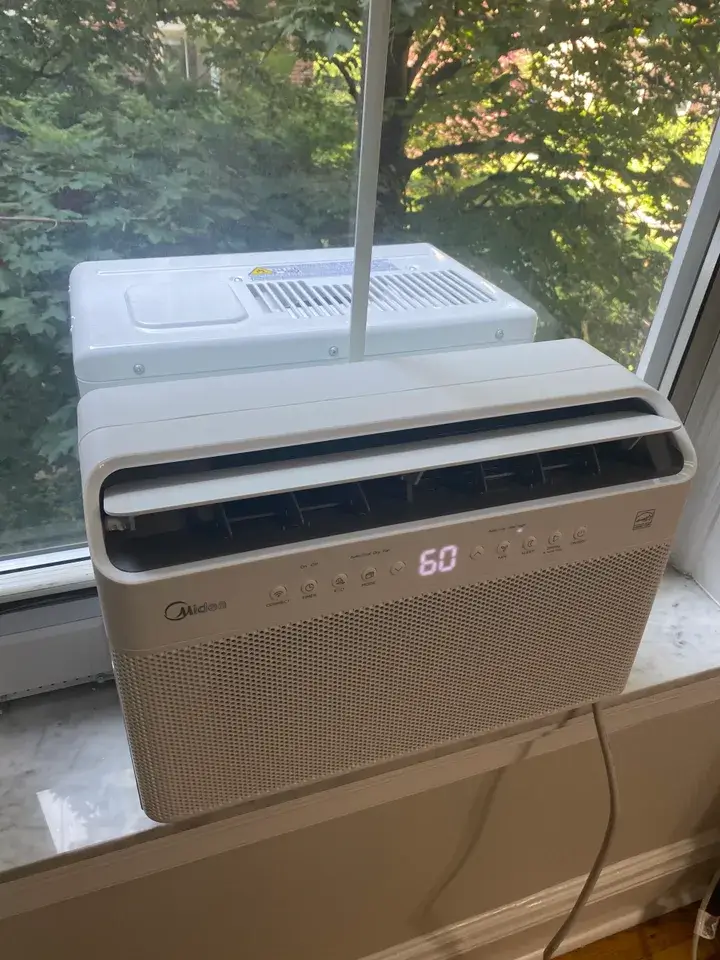
OUR Reviews

EXCELLENTTrustindex verifies that the original source of the review is Google. Anton was efficient and really cool! I added additional scope during his visit and he accommodated the request. Great work and highly recommend!Posted onTrustindex verifies that the original source of the review is Google. Antoan was great! Put the TV up exactly the way we needed it and came with the right bracket and tools. I’m saving this company’s info for future jobs and referrals.Posted onTrustindex verifies that the original source of the review is Google. Same Day Service! I Am Blown Away By The Service & Speed. My AC Installation Was Urgently Needed , Andrey & Son Were Here In No Time & Delivered Professionalism & Neatness. Thank You Guys!!Posted onTrustindex verifies that the original source of the review is Google. Andrey was courteous, quick, and got the job done right!Posted onTrustindex verifies that the original source of the review is Google. Andrey was very efficient and was able to come the same day! Highly recommend!Posted onTrustindex verifies that the original source of the review is Google. Andrey was great and had great communication. Came did a great job in under an hour it was quick and easy.Posted onTrustindex verifies that the original source of the review is Google. Very good!! Would install an AC with Andrey again.Posted onTrustindex verifies that the original source of the review is Google. I called this company on a whim to help me mount my TV after spending hours trying to do it myself. They showed up in under two hours, and it looked like a father and son team. They had the TV mounted perfectly in less than ten minutes. They were respectful, kind, and just really genuine people. I’m so happy with how it turned out and so glad I reached out. I’d definitely work with them again. Highly recommend!Posted onTrustindex verifies that the original source of the review is Google. Andrey and Maksim worked miracles to mount my 65” Tv on a slanted wall. It was not easy and they added extra effort to ensure the TV was stable. I would recommend them to all my friends and family as the look for your best interest. Thank you Andrey and Maksim For a job well done!