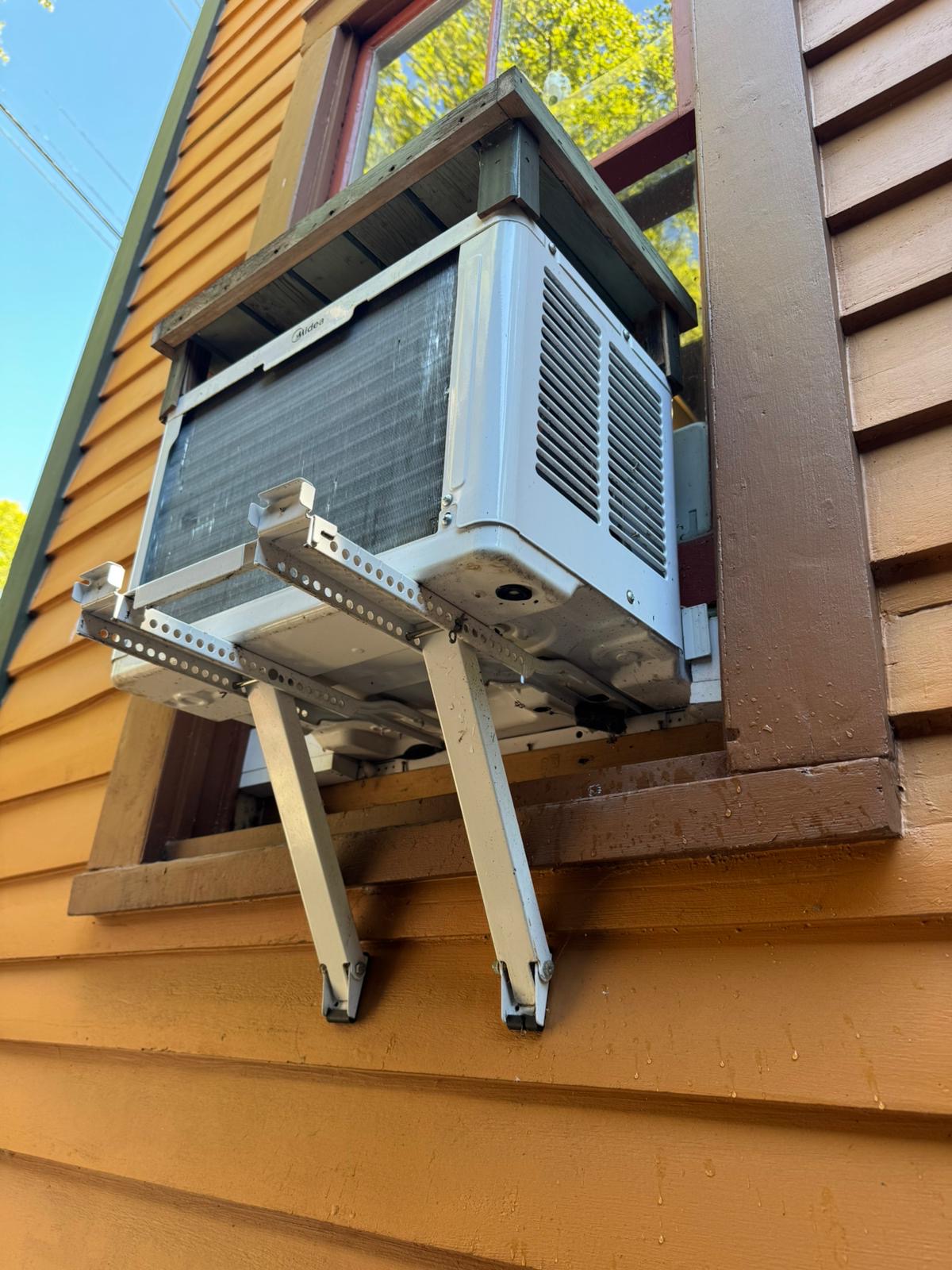
Midea Recall and Window AC cleaning in NYC
Midea Recall and Why Pre-Season Window AC Cleaning Is Essential, Not Optional
In recent years, significant attention in the U.S. window air conditioner market has been drawn to a service recall involving certain models of Midea U-shaped air conditioners. This program was related to drainage system performance and moisture accumulation inside the unit.
Our company directly participated in this project and serviced over 6,000 Midea U-shaped air conditioners across New York, includes Manhattan, Brooklyn and Bronx. This experience allowed us not only to gain a deep technical understanding of the issue, but also to reach an important conclusion: the problem that led to the recall is not unique to one brand — it is common to all window air conditioners that are not regularly maintained.
How a Window AC Works and Where the Problem Comes From
To understand the cause of odors, mold, or reduced performance, it is important to briefly explain how a window air conditioner works.
During cooling, warm indoor air passes over the cold evaporator coil. This process creates condensation — water that must be properly drained through the system.
Under ideal conditions, this water either evaporates or drains correctly. However, in real-world operation:
dust and debris enter the unit
moisture accumulates at the bottom of the system
a warm, humid environment forms
This environment becomes ideal for the growth of microorganisms, including mold and bacteria.
What We Learned From Servicing Over 6,000 Units
Working within the Midea Recall program gave us a unique opportunity to observe how these systems perform in real-life conditions.
In the vast majority of cases, we identified:
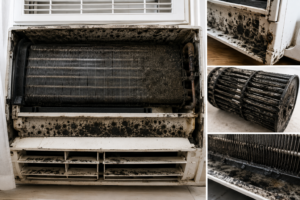
contamination developing after just one season of use
biological buildup, including mold
improper or restricted drainage
It is important to emphasize that similar issues occur not only with Midea units, but also with other brands such as GE, LG, and Frigidaire. The only difference is that the recall brought attention to the problem.
From a technical standpoint, this is not a manufacturing defect, but a natural result of operating the unit without regular maintenance.
Why Pre-Season Cleaning Is Necessary
In climates like New York, air conditioners remain unused for several months each year. During fall and winter, residual moisture stays inside the unit, combining with accumulated debris to create conditions for bacterial growth.
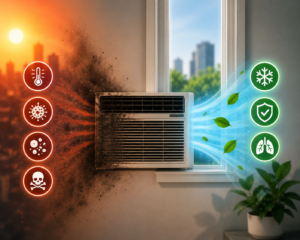
When the AC is turned on in spring or summer, these contaminants begin to affect:
indoor air quality
the presence of unpleasant odors
cooling efficiency
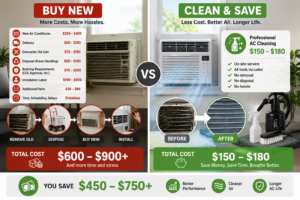
Regular pre-season window ac cleaning helps prevent these issues.
From a practical standpoint, proper maintenance provides:
improved air quality
elimination of odor sources
restored heat exchange efficiency
reduced strain on the compressor and fan
extended equipment lifespan
The Role of the Drain System and the Importance of the Drain Plug
The drainage system plays a critical role and was a key focus during the recall process.
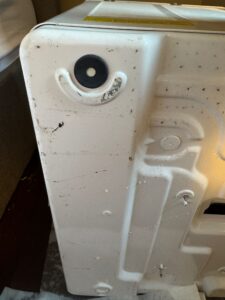
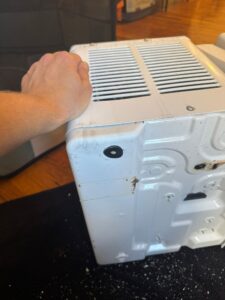
The drain plug is responsible for regulating water flow and proper moisture management inside the unit. Over time, it may:
become clogged
lose sealing performance
disrupt the balance between evaporation and drainage
This can lead to water stagnation inside the unit and accelerate mold growth.
Based on practical experience, we recommend before each season:
inspecting the drainage system
cleaning drainage channels
replacing the drain plug if necessary
Despite being a simple and inexpensive component, its condition significantly affects the overall performance of the system.
What Professional AC Maintenance Includes
A common misconception is that AC maintenance is limited to cleaning the filter. In reality, the filter captures only part of the debris, while the main contamination builds up inside the unit.
Professional cleaning includes:
evaporator coil cleaning (removal of dirt and biofilm)
blower wheel cleaning, where most buildup accumulates
mold and bacteria removal
flushing of the drainage system
antibacterial treatment of internal components
This type of service restores proper airflow and eliminates contamination sources.
How Often Should Window AC Maintenance Be Performed
The frequency of maintenance depends on usage, but general recommendations are:
at least once per year — before the season
every 3–6 months for heavy use
Even if the unit appears clean externally, internal contamination may still be present.
Our experience working with Midea U-shaped air conditioners goes beyond maintenance and recall service.
In addition to servicing over 6,000 units, we have also gained extensive hands-on experience in the installation of these systems across New York City. Proper installation plays a critical role in how the unit manages drainage, airflow, and long-term performance.
We understand all the key of installing these units — including correct tilt angle, secure mounting, and proper sealing — which directly affect how the drainage system functions and whether moisture buildup occurs over time.
👉 If you’re planning to install a new window ac unit, it’s important to ensure it is done correctly from the start. Learn more about our service
Conclusion
Our experience servicing thousands of units through the Midea Recall program has demonstrated that moisture buildup and contamination are systemic issues affecting all window air conditioners. One of the most common signs that your AC needs cleaning is a musty or unpleasant smell when the unit is turned on.
Regular maintenance is not an optional service — it is essential for safe and efficient operation.
Timely cleaning and proper drainage system maintenance help to:
maintain healthy indoor air quality
prevent unpleasant odors
extend the lifespan of the unit ensure stable and efficient performance throughout the season
How the Midea Recall Fix Works (Drain Plug Installation)
This official video demonstrates how the drain plug is installed as part of the Midea recall program and why proper drainage is critical to prevent moisture buildup and mold inside the unit